Memory Care Home List: Security, Staffing, and Specialized Support
Business Name: Beehive Homes of Sandy
Address: 9532 S 700 E, Sandy, UT 84070
Phone: (801) 975-5244
Beehive Homes of Sandy
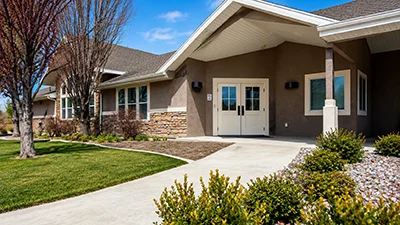
BeeHive Homes of Sandy provides personalized assisted living and memory care in a comfortable residential setting. Our compassionate caregivers deliver attentive daily support focused on dignity, independence, comfort, and quality of life.
9532 S 700 E, Sandy, UT 84070
Business Hours
Families do not choose memory care because life is tidy. They choose it due to the fact that a loved one's memory and judgment have actually moved enough that home no longer feels safe or sustainable. The ideal memory care home can stabilize a rainy season. The wrong one includes risk and regret. A checklist helps, but it should be more than boxes. It needs to guide how you look, what you ask, and what you feel as you walk the halls and enjoy the work.
Why the best fit is about more than a locked door
People sometimes presume memory care suggests the very same thing as a secured assisted living system. It does not. A locked door keeps somebody from roaming outside. It does not teach an employee to acknowledge a urinary tract infection before habits unravels, or to de-escalate fear without restraints or sedatives. A great memory care home blends security, trained hands, and purposeful daily life. When those parts sync, you see fewer falls, better hunger, calmer nights, and family members who start sleeping again.
I have toured memory care communities where the lobby shone and the activity calendar sparkled, yet a resident asked the same question ten times in three minutes while staff smiled from a distance instead of actioning in with a grounding cue. In another structure, nothing was fancy, but the medication cart was peaceful, the aides called residents by name, and the nurse identified a small shuffle in a male's gait that meant dehydration. The 2nd place is where I would place my own dad.
Safety you can see: the physical environment
Start with what your senses inform you. Corridors must be bright without glare. Homeowners with dementia lose depth understanding and contrast, so matte finishes, strong color contrast at edges, and even flooring patterns that do not look like holes matter. Look at hand rails. If the rail stops at each entrance, an individual with Parkinsonian actions might be reluctant and lose balance. Continuous rails assist individuals keep moving with confidence.
Doors to the outside should be secured, however not so heavy or camouflaged that they feel like traps. With exit-seeking residents, some homes utilize postponed egress doors with alarms. Ask who reacts to those alarms and how rapidly. I have actually seen good groups arrive in under 30 seconds and redirect carefully with a walk, a beverage, or a folding task at a table. I have also seen alarms beep for minutes while homeowners grow agitated. The difference is leadership and staffing, not hardware.
Bathrooms inform you a lot about fall avoidance and self-respect. Get bars must be anywhere a hand may reach in a moment of unsteadiness, consisting of beside toilets and in showers, set at the right height. Non-slip surfaces need to be truly non-slip, not simply textured. If you can, enter a shower and gently try to pivot. If you do not feel steady, neither will your mother. Curtains ought to enable privacy and supervision as required. Try to find integrated shower chairs or tough, tidy benches. One split seat suffices to weaken somebody's assisted living trust.
Fire security is invisible till it is not. You will refrain from doing smoke-detector tests, however you can ask staff to show you evacuation routes and where a person using a wheelchair would be moved during a drill. Ask when the last drill occurred, who led it, and how locals reacted. Great groups can recall useful details, such as Mr. B who resisted leaving his space during the last drill and needed a preferred cap and the nurse's hand on his shoulder.
Kitchens and dining-room shape behavior. Scent drives appetite, and visible food and open pantries can soothe pacing. However knives and hot surface areas must be controlled. View a meal service if you can. Plates with high-contrast rims help locals see their food. Adaptive utensils should not be scarce or locked away. If somebody coughs consistently while drinking, a speech therapist should be offered for a swallow assessment, and thickened liquids must be offered without pity or confusion.
Safety you do not see: procedures that prevent crises
Medication management in memory care is both art and discipline. Ask how the home deals with time-sensitive meds such as Parkinson's treatments that lose effect if given late. In one neighborhood I dealt with, a stiff med pass created a daily rollercoaster for a resident who needed carbidopa-levodopa right at 7 a.m. The repair was basic scheduling and a different suggestion on the nurse's phone. You want a group that individualizes.
Infection control resides in the daily routines you will not observe unless you look. Inspect whether soap and hand sanitizer are actually used in between resident contacts. During respiratory infection season, ask how they mate locals and staff to limit spread. Memory care locals can not dependably follow masking or distancing triggers. That indicates the home's system has to protect them without counting on their memory.
Falls are complicated. Real prevention blends environment, cueing, and activity. Ask about recent fall rates, however likewise the action. A strong neighborhood reviews each fall within 24 to two days, looks for patterns, and adjusts care strategies. If you hear a shrug and a resigned, "Falls take place," keep moving.
Behavioral health is where memory care makes its name. Individuals dealing with dementia can end up being terrified, suspicious, or uneasy. Great care prevents chemical restraints unless there looms danger. I look for training in non-pharmacologic approaches, such as utilizing life stories, managed sound levels, purposeful tasks, and short, concrete instructions. Assistants who understand that Mrs. K relaxes with a folded towel and a warm washcloth deserve their weight in gold. If the response to agitation is always a sedating pill, quality of life will drop, and falls and hospitalizations will rise.
Staffing: ratios matter, but stability matters more
Families long for a clear number for staffing. Ratios help, however they never inform the whole story. In numerous strong memory care homes, daytime staffing runs around one direct care personnel for every 5 to 8 locals, nights closer to one for every 8 to 10, overnights around one for every single 10 to twelve. State guidelines vary, and skill modifications those requirements. A frail resident who requires overall support with transfers will absorb more time than somebody who just needs cueing to bathe and eat.
Beyond headcount, inquire about tenure and turnover. A knowledgeable aide who has actually understood your father's gait, state of mind, and clever escape concepts for 2 years is a fall avoidance program all by herself. Stability is a proxy for a healthy work culture. Look at schedules published on the wall. Exist holes and sticky notes? Are momentary firm staff filling most shifts? Firm staff are typically committed, but continuous churn limits consistency and trust.
Training is the hinge in between a task and an occupation. New works with should receive memory-specific training as part of orientation, not an optional extra. Topics should consist of acknowledging delirium, interaction techniques for aphasia and word-finding difficulty, non-drug methods to distress, safe transfers, and the particular dangers of roaming, sundowning, and swallowing problems. Ask about ongoing training beyond the first 2 weeks. Excellent crowning achievement short, repeating refreshers since abilities fade under pressure.
Leadership sets the tone. Ask how typically the nurse, executive director, or memory care program director is physically in the system. During a website visit last winter season, I enjoyed a director circle the dining room, bend to eye level, and ask a resident for a recipe idea for the next baking group. That leader understood names, choices, and family backstories. Personnel saw and mirrored the warmth. Leadership like that is contagious.
What quality dementia care appears like hour by hour
You learn the most by sticking around. Show up mid-morning, not simply at the arranged tour time. A place that stages an ideal 10 a.m. Bingo can still miss all the in-between minutes that cause distress. Enjoy the speed of the space. Are locals participated in small ways, not simply group activities? Folding laundry, sweeping an outdoor patio, sorting dominoes, kneading dough, watering herbs, petting a calm treatment dog. Individuals with dementia often feel better when asked to help rather than informed to sit and be entertained.
Routines anchor the day, however flexibility avoids battles. If your mother always showered in the evening, forcing a morning schedule will backfire. Ask how the group finds out and honors past regimens. Try to find care strategies that check out like a person, not a medical diagnosis. "Frank worked nights at the post workplace, likes coffee black, hates loud radios, and calms with baseball highlights" is far more useful than "late-stage Alzheimer's, chooses peaceful environment."
Dining ought to be unhurried. Citizens with dementia often consume much better in smaller sized, more frequent meals. Observe if staff sit at eye level, offer hand-over-hand assistance when proper, and hint with simple choices. If you see a resident dozing over a plate, notice whether anyone tries to rouse gently and provide an option. Weight-loss creeps up silently in memory care. Strong homes track weights weekly, not monthly, and call households when patterns appear.
Afternoons and nights need special attention. Sundowning can spike in between 3 and 7 p.m. I try to find soothing routines: dimmer lights, soft music without unrelenting rhythm, familiar tactile jobs, and a predictable handoff from day to night staff. If the night system looks disorderly, presume nights are worse.
Family involvement and communication
You will not be in the system throughout the day. Communication patterns matter. Ask how updates are shared, whether by phone, email, or a protected website. I like groups that set a rhythm, such as a weekly note even when absolutely nothing is incorrect, then same-day calls if there is a fall, medication change, or behavior shift. Regular family care conferences matter. They need to be more than a checkbox. An excellent conference feels like a huddle with concrete goals, such as decreasing nighttime pacing or rebuilding appetite over the next two weeks.
Look at how households are invited. Are there open checking out hours? Are there areas that can host a quiet visit, not just a loud lobby? Are you welcomed to share life stories, photos, and preferred tunes? Homes that deal with households as partners make much better choices quicker. When behavior flares, a little detail from a daughter or child can open the puzzle.
Health services and care coordination
Memory care homes straddle social and medical worlds. Not every building has on-site clinicians, however there ought to be a clear plan. Ask if there is a registered nurse on website daily, and for how many hours. Who covers weekends? Which physicians or nurse professionals round, and how typically? If someone develops an unexpected modification in habits, who screens for delirium and orders laboratories to rule out infection or medication interactions?
Hospice and palliative care are part of honest dementia care. A strong memory care home welcomes these partners early. They assist manage discomfort and agitation without reflexively sending out individuals to the health center at 2 a.m. For tests that confuse more than they assist. If the home thinks twice to collaborate with hospice, it may lean too greatly on health center transfers.

Rehabilitation services help more than a lot of families anticipate. Occupational therapists can adapt routines and teach strategies for dressing, bathing, and much safer transfers. Physiotherapists construct balance and strength, even in late phases. Speech therapists resolve swallowing and communication. Ask how often these services are utilized and whether therapists train staff to carry over exercises between official sessions.
Costs, transparency, and what the contract hides
Pricing in memory care can be uncomplicated or infuriating. Some homes offer complete rates that fold care, meals, housekeeping, and activities into one regular monthly figure. Others use a tiered or point system that scales with the level of support required. Both can work, but you need clarity.
Ask for a sample agreement and read it slowly. What activates a relocate to a greater care tier? Who decides? How much notice do you get before a boost? Are there different charges for incontinence products, transportation, or one-to-one guidance throughout a behavioral flare? If your father refuses showers and requires 2 staff for a safe transfer, that usually alters his level. You need to comprehend the cost ramifications before you sign.
Check for discharge criteria. Memory care homes are not medical facilities. If a resident becomes physically aggressive, needs continuous knowledgeable nursing, or requires two-person mechanical lifts beyond what the building can supply, the home may ask for a transfer. Clear policies prevent shock later. Great teams work with households to time transitions well, not on the worst day.
The odor, the noise, the feel
People hesitate to point out smells, however they matter. A faint fragrance of lunch is regular. A heavy smell of urine at midday mean bad toileting schedules or inadequate housekeeping. Sounds tell a story too. Constant alarms create unease. Great teams silence non-urgent alarms rapidly, not by neglecting them however by responding quick and adjusting the triggers. The feel of the location is practically physical. Do you pick up the weight on personnel shoulders, or a stable tempo with space for laughter? Trust your body while you collect facts.
Your on-site game plan: five checks that reveal the truth
- Arrive unannounced thirty minutes early and being in a common area. Enjoy two staff-resident interactions. Note tone, pace, and whether names and mild touch are utilized appropriately.
- Ask a direct care aide what they like about working there and what is hard. You will learn more from that response than from any brochure.
- Peek into 2 restrooms and one bathroom. Try to find grab bars at multiple points, clean non-slip flooring, and obtainable materials. Water discolorations and missing out on products predict rushed, unsafe care.
- Request to see the activity in development, not just the calendar. A full calendar suggests little if real engagement is low. Count how many homeowners are taking part meaningfully.
- Before leaving, ask how after-hours emergency situations are managed. Who responds to the phone at 10 p.m.? Who can authorize sending a resident to the ER? Clear answers show a meaningful chain of command.
Red flags that are worthy of a pause
- Leadership churn, especially vacant nurse or director functions, or a brand-new executive director every few months.
- Vague answers about staffing ratios, turnover, or training hours, or a refusal to offer them at all.
- Reliance on PRN sedatives for "sundowning" without reference of environmental or activity-based strategies.
- Dirty dining spaces, cold food, or residents with regularly stained clothing or untrimmed nails.
- Families in the lobby looking distressed, stating they can not get calls returned, or cautioning you off in quiet tones.
Trade-offs, edge cases, and judgment calls
No memory care home hits every mark. A small residential-style home might deliver exceptional attention and warmth however lack on-site therapy services. A bigger campus might provide medical depth and limitless activities while feeling hectic for somebody who chooses quiet. Some families prioritize proximity over perfection, especially if a partner visits daily. Others select a further neighborhood that understands a special behavior profile. Your list must feed a conversation with your family about priorities.
One example: a retired electrical expert in the mid phases of Alzheimer's paced continuously and plucked cables. A captivating, traditional assisted living structure with chandeliers felt harmful for him. He did better in a newer memory care unit with sealed outlets, durable furnishings, and a yard designed for long, looping strolls with visual hints and no dead ends. His other half missed the expensive lobby, however he stopped tripping over rugs and attempting to "fix" lamps.
Another edge case: a resident with frontotemporal dementia who was physically strong, spontaneous, and socially disinhibited. Ratios mattered less than personnel training and fast access to behavior experts. The winning home was not the closest or cheapest. It was the one where the director might walk through a habits strategy line by line and name the staff member who had practiced it.
How to use this checklist without losing your gut
Gather realities, then offer yourself authorization to trust your impressions. If a tour feels hurried or dismissive, that typically shows day-to-day speed. If staff laugh with locals in such a way that lands as kind, that too is an indication. Bring 2 sets of eyes if you can. One person can talk while the other watches. After each visit, write notes the exact same day. Details blur fast when you are touring numerous places.
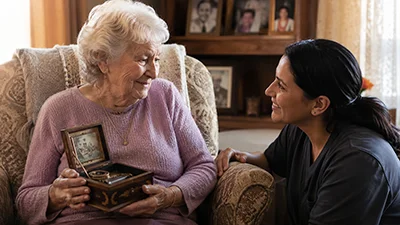
If you are moving from home care to memory care, sorrow occurs. Anticipate to feel relief and regret in the very same hour. Good teams understand this and will not make you safeguard your decision over and over. They will invite you to join care conferences, share your loved one's life story, and become part of the rhythm of the place.
Where memory care makes its name
The best memory care is not babysitting behind a protected door. It is the sluggish, proficient work of recognizing the person still present and developing a day that makes sense to them. It is the nurse who notices a new lean to the left and requires a check, the assistant who keeps in mind that hot cocoa and a cardigan settle a rough afternoon, the activity assistant who turns a previous mechanic's restless hands into a gentle engine rebuild with plastic parts. It is likewise the supervisor who stops the alarm sound and changes it with a calmer workflow.
When you discover a memory care home that weaves safety, staffing, and customized assistance into genuine life, you will see it in the small moments. A resident finishes lunch and smiles. Somebody who utilized to roam for hours now folds towels beside a friend. A son who was calling 911 twice a month now invests his visits checking out old fishing publications with his dad. That is the list working where it matters.
Beehive Homes of Sandy provides assisted living care
Beehive Homes of Sandy provides memory care services
Beehive Homes of Sandy provides respite care services
Beehive Homes of Sandy supports assistance with bathing and grooming
Beehive Homes of Sandy offers private bedrooms with private bathrooms
Beehive Homes of Sandy provides medication monitoring and documentation
Beehive Homes of Sandy serves dietitian-approved meals
Beehive Homes of Sandy provides housekeeping services
Beehive Homes of Sandy provides laundry services
Beehive Homes of Sandy offers community dining and social engagement activities
Beehive Homes of Sandy features life enrichment activities
Beehive Homes of Sandy supports personal care assistance during meals and daily routines
Beehive Homes of Sandy promotes frequent physical and mental exercise opportunities
Beehive Homes of Sandy provides a home-like residential environment
Beehive Homes of Sandy creates customized care plans as residents’ needs change
Beehive Homes of Sandy assesses individual resident care needs
Beehive Homes of Sandy accepts private pay and long-term care insurance
Beehive Homes of Sandy assists qualified veterans with Aid and Attendance benefits
Beehive Homes of Sandy encourages meaningful resident-to-staff relationships
Beehive Homes of Sandy delivers compassionate, attentive senior care focused on dignity and comfort
Beehive Homes of Sandy has a phone number of (801) 975-5244
Beehive Homes of Sandy has an address of 9532 S 700 E, Sandy, UT 84070
Beehive Homes of Sandy has a website https://beehivehomes.com/locations/sandy/
Beehive Homes of Sandy has Google Maps listing https://maps.app.goo.gl/gxoX9vT5PFH9mJTP9
Beehive Homes of Sandy won Top Assisted Living Homes 2025
Beehive Homes of Sandy earned Best Customer Service Award 2024
People Also Ask about Beehive Homes of Sandy
What does assisted living cost at BeeHive Homes of Sandy?
BeeHive Homes of Sandy offers all-inclusive assisted living pricing. That means one straightforward monthly rate covering personal care, home-cooked meals, housekeeping, laundry, and daily support, with no hidden costs or surprise fees. Because we offer seasonal pricing and current availability can change, we invite families to call for up-to-date rates and any current offers. Before move-in, our team completes a personalized assessment of health, mobility, medication, and activities-of-daily-living needs, so we can confirm the right care plan and share clear pricing for your family.
Can residents remain at BeeHive Homes as their care needs change?
Yes. In almost all cases, residents can remain at BeeHive Homes of Sandy as their care needs change, aging in place in a familiar, homelike environment. Because we coordinate with third-party home health and hospice providers, residents can receive added care right in the home rather than relocating. It is very rare for a resident to need to move, and that typically happens only when someone requires continuous skilled nursing or hospital-level care beyond what an assisted living or memory care home can safely provide.
Is a nurse available at BeeHive Homes of Sandy?
Yes. BeeHive Homes of Sandy has a nurse who provides day-to-day oversight of residents and works directly with each resident's own physicians and healthcare providers to continue the best possible care. Residents may keep seeing their preferred doctors, and when ordered by a medical provider, home health, therapy, or hospice services can often be delivered directly in the home. Caregiver support is available 24 hours a day.
What are the visiting hours at BeeHive Homes of Sandy?
Visit anytime. At BeeHive Homes of Sandy, we would rather family come too often than not often enough, because strong family relationships are an important part of every resident's well-being. We simply ask that visits be respectful of the other residents who live here, along with each resident's meals, rest, and care schedule. If you would like to come very early or very late, just let us know in advance and we will make it work.
Are rooms available for couples at BeeHive Homes of Sandy?
BeeHive Homes of Sandy may have room options for couples who wish to remain together while receiving senior care. Availability depends on current openings, room size, and the care needs of both individuals. Please contact our team to discuss available accommodations and find the best fit for your family.
What services are provided at BeeHive Homes of Sandy?
BeeHive Homes of Sandy provides personalized assistance with bathing, dressing, grooming, mobility, medication management, meals, housekeeping, laundry, and other activities of daily living. Residents also enjoy private rooms, home-cooked meals, engaging senior activities, and caregiver support available 24 hours a day, all in a smaller, residential-style setting that feels like home.
Does BeeHive Homes of Sandy offer memory care and respite care?
Yes. BeeHive Homes of Sandy offers both memory care and assisted living. Our memory care supports residents living with Alzheimer's disease, dementia, or other cognitive changes. Short-term respite care is also available for recovery periods, caregiver relief, or families who want to experience BeeHive Homes before considering a long-term move. Availability and suitability are determined through an individual assessment.
How can I schedule a tour of BeeHive Homes of Sandy?
Call (801) 975-5244 to schedule a tour of BeeHive Homes of Sandy anytime. A personal visit is often the best way to experience our calm, homelike atmosphere, meet our caregivers, see the private rooms and shared spaces, and ask questions about assisted living, memory care, or respite care in Sandy, Utah. We would love to help you decide whether BeeHive Homes is the right next step for someone you love.
Where is Beehive Homes of Sandy located?
Beehive Homes of Sandy is conveniently located at 9532 S 700 E, Sandy, UT 84070. You can easily find directions on Google Maps or call at (801) 975-5244 Monday through Sunday Open 24 hours
How can I contact Beehive Homes of Sandy?
You can contact Beehive Homes of Sandy by phone at: (801) 975-5244, visit their website at https://beehivehomes.com/locations/sandy/
El Puerto Veracruz Mexican Cuisine is a convenient gathering place for families visiting loved ones in Assisted living, memory care, senior care, elderly care, and respite care.